



Exothermic and endothermic reactions
Definition
Energy is conserved in a reaction: it is transferred, never created or destroyed.
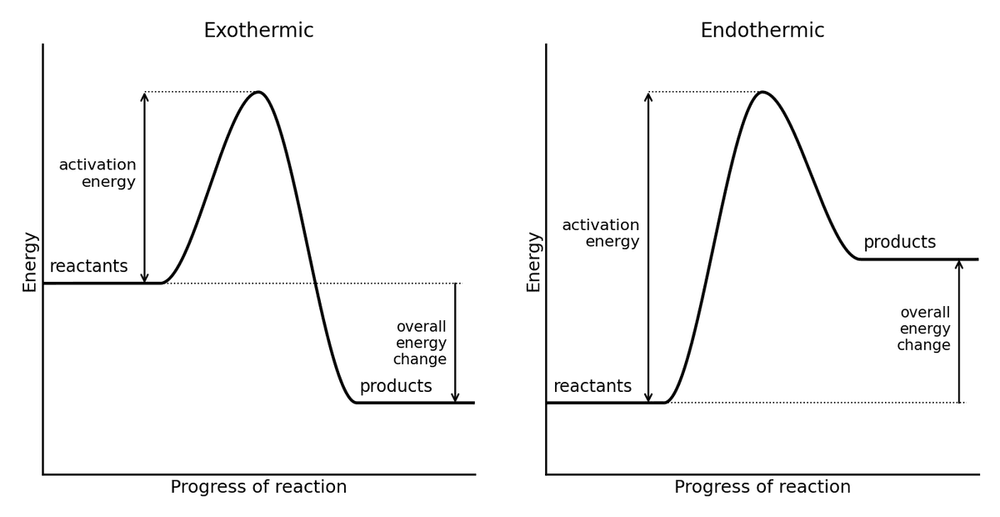
In an exothermic reaction, energy is transferred to the surroundings, so the temperature of the surroundings goes up. Examples include combustion (burning fuels), many oxidation reactions (like iron powder oxidising in a single-use hand warmer), and neutralisation.
In an endothermic reaction, energy is taken in from the surroundings, so the temperature of the surroundings goes down. Examples include thermal decomposition (which needs continuous heating to keep going) and the reaction between citric acid and sodium hydrogencarbonate.
Uses: hand warmers and self-heating cans (e.g. calcium oxide reacting with water) use exothermic reactions. Instant cold packs for sports injuries use an endothermic change. To judge a use, look at the size of the temperature change, how long it lasts, whether it can be reused, cost and safety.
Example
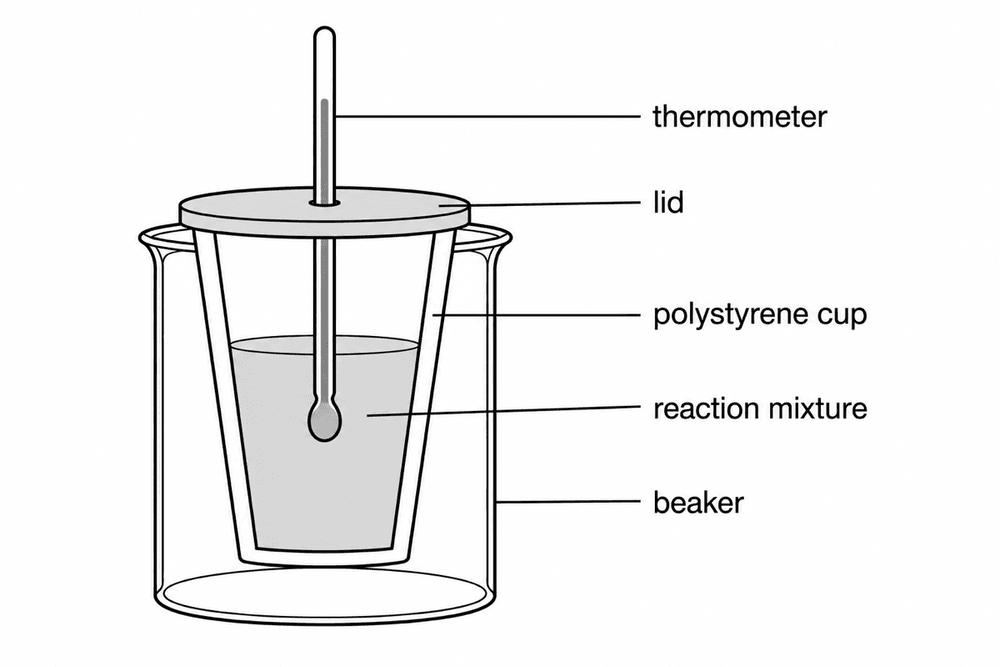
A student mixes two solutions at 21.0 °C. The highest temperature reached during the reaction is 29.5 °C. What type of reaction is this, and what is the temperature change?
Solution
The temperature of the surroundings increased, which means energy was transferred outwards to the surroundings. Therefore, it is an exothermic reaction.
Temperature change = final temperature − initial temperature.
Temperature change = 29.5 − 21.0 = 8.5 °C.
Tips/hints
The 'surroundings' include the solution, the container and the air, not just the air.
A common mistake is thinking an endothermic reaction gets hot because it 'takes in heat'. It takes energy from the surroundings, so they feel cold.
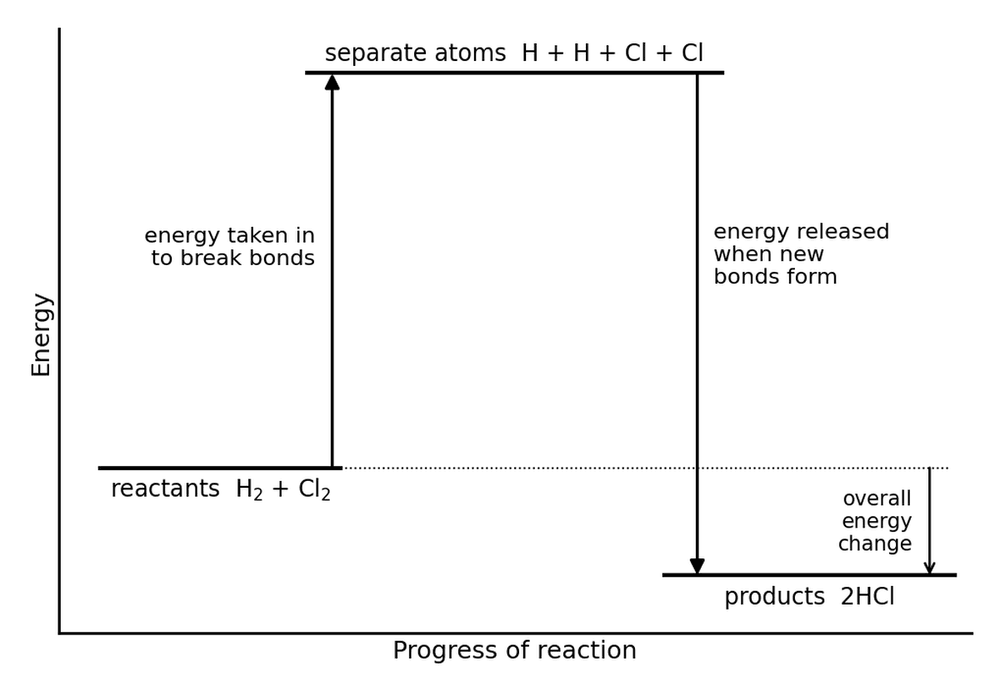
Because energy is conserved, if a reaction is exothermic (giving energy out), the products must store less energy than the reactants by exactly the amount given out. If it is endothermic, the products store more energy than the reactants.