
Atoms, elements and compounds
Definition
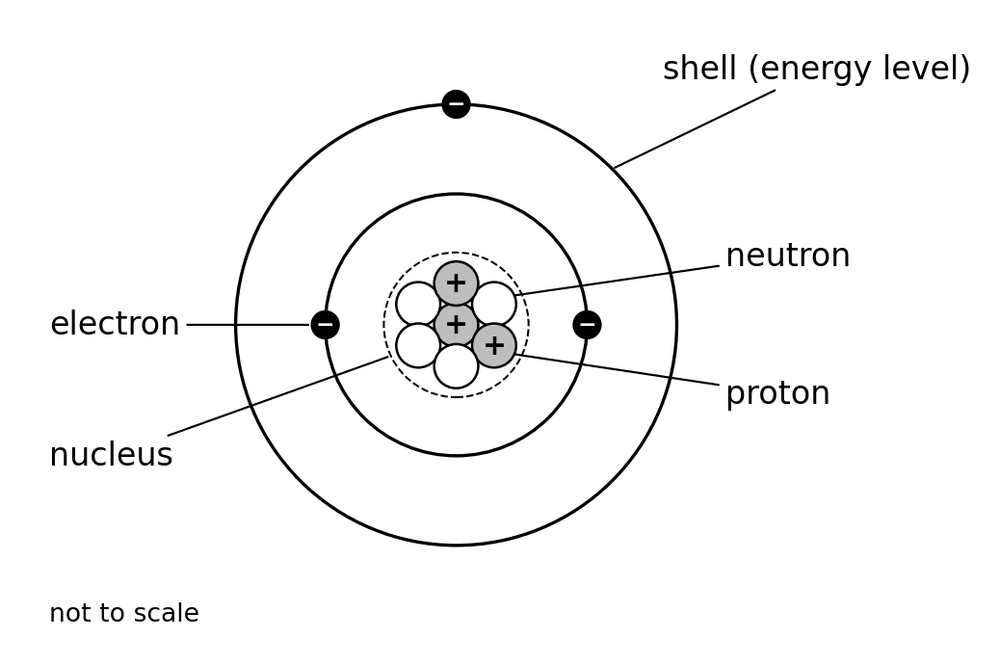
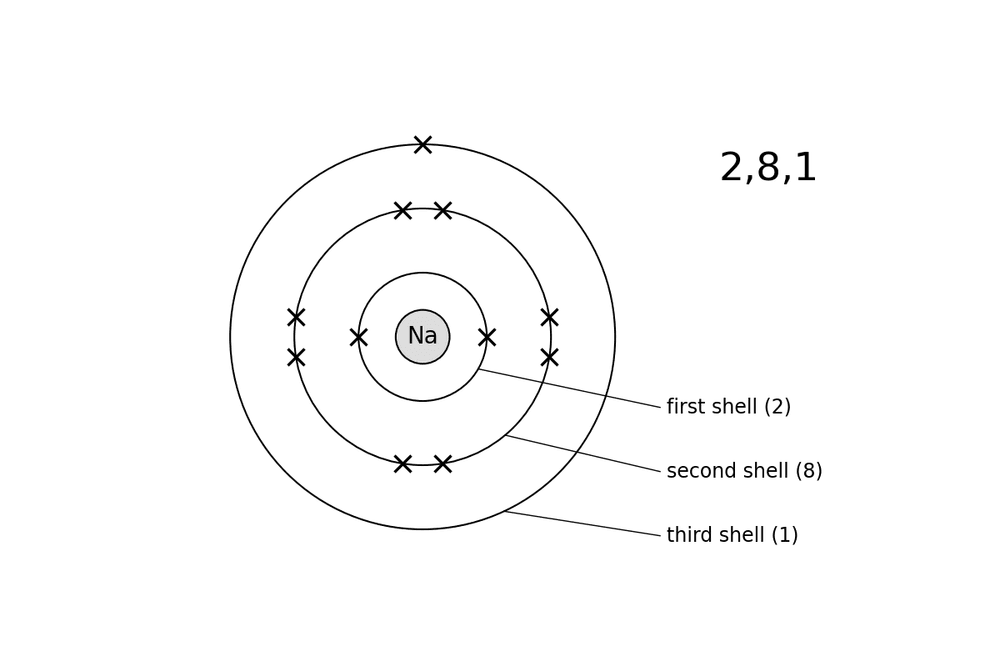
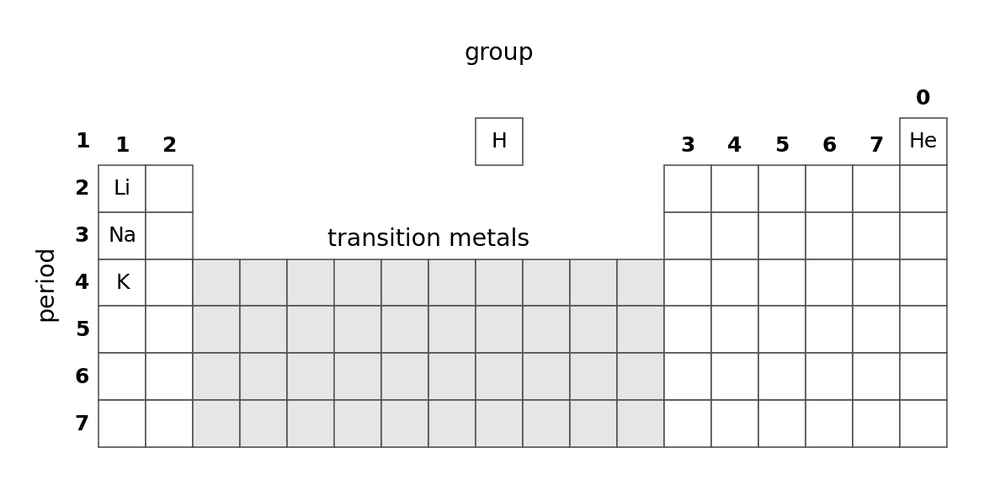
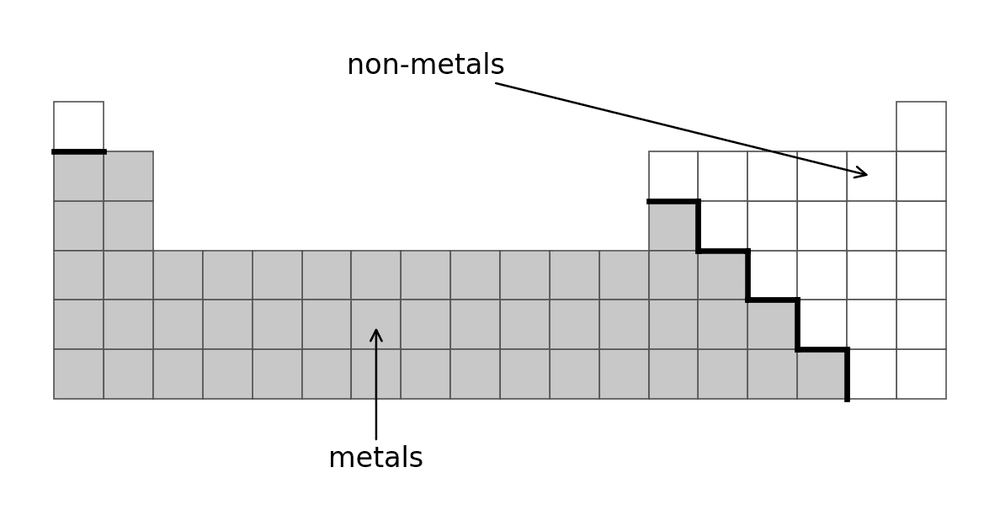
An atom is the smallest part of an element that can exist on its own. Each element has a symbol (e.g. O for oxygen) and contains only one kind of atom.
A compound has two or more elements chemically joined in a fixed ratio. Compounds have different properties from their elements and are only split by chemical reactions, not physical methods.
Method
A formula shows the atoms in a compound. H2O contains 2 hydrogen atoms and 1 oxygen atom. With brackets, multiply everything inside by the outside number: Ca(OH)2 has 1 Ca, 2 O, and 2 H atoms.
Balanced equations show atoms are rearranged, never created or destroyed. Both sides must have the same number of each atom. Balance equations only by putting big numbers in front; never change subscripts.
Diagram
Note
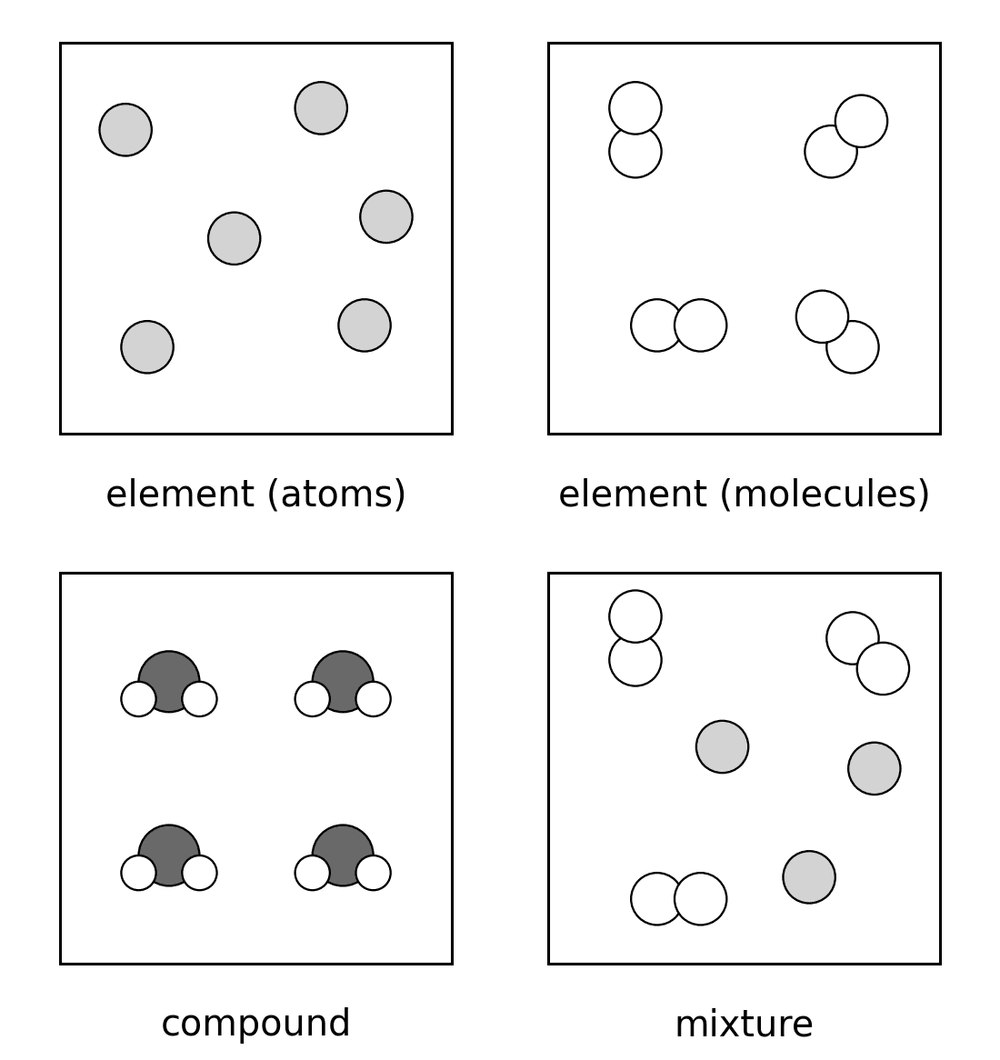
Particle models show elements as single atoms or molecules of one kind, compounds as different atoms joined together, and mixtures as different substances not joined.
Example
Balance the equation for magnesium and oxygen: Mg + O2 → MgO.
Solution
With 2 oxygen atoms on the left and 1 on the right, put a 2 in front of MgO: Mg + O2 → 2MgO.
Now there are 2 magnesium atoms on the right. Put a 2 in front of Mg: 2Mg + O2 → 2MgO.
Tips/hints
A molecule like O2 is an element, not a compound, because it contains only one type of atom.
Learn the symbols: S is sulfur, not sodium (Na). Capitalisation matters: CO is carbon monoxide, but Co is cobalt.
Compounds ending in '-ide' usually contain two elements. Those ending in '-ate' contain those elements plus oxygen.